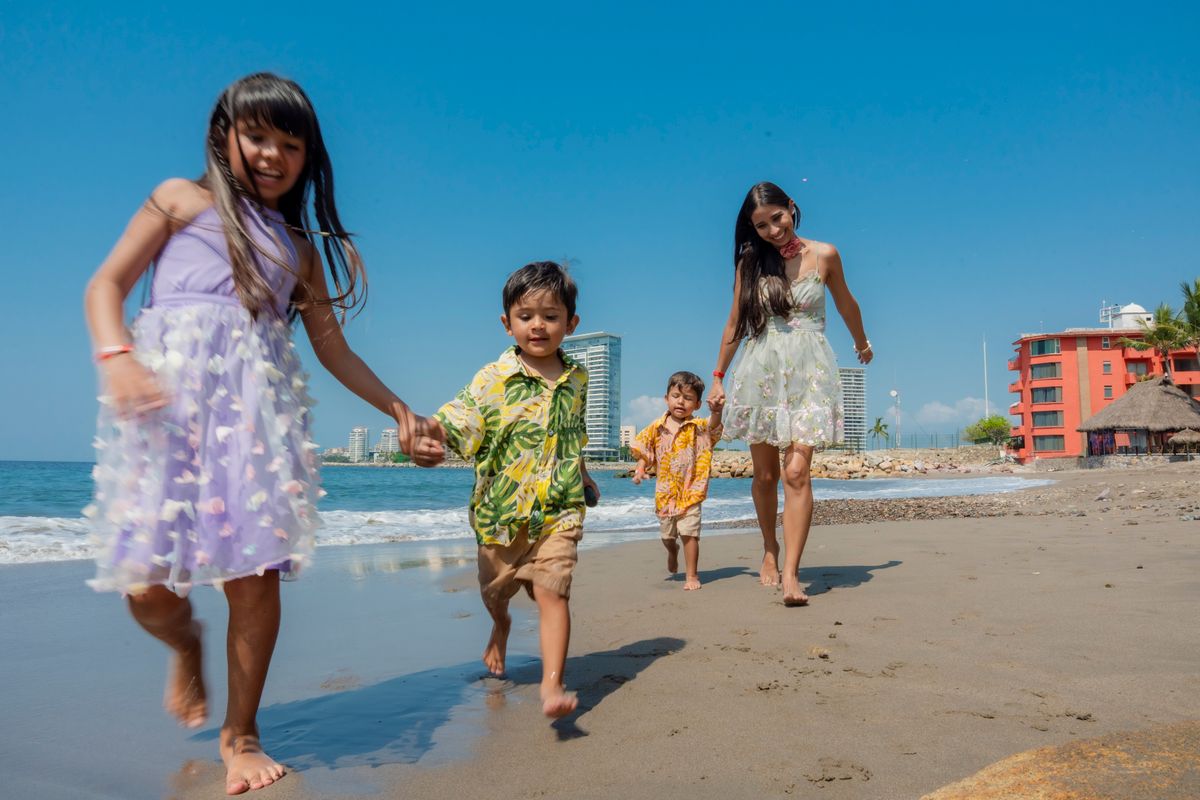
Families with children generally need three things at a beach: someone watching the water, a working toilet nearby, and reasonable confidence that the water is safe. Blue Flag certification addresses all three. Lifeguard coverage during peak season is mandatory. Toilets are a required criterion. Water quality is tested at the Excellent threshold — stricter than what most beach management frameworks require.
What Blue Flag Certification Means for Families
The mandatory criteria most relevant to families are: trained lifeguards present during designated bathing hours, first aid equipment on site and accessible, clean toilets open during bathing hours, and water that meets the EU's highest bathing quality classification. No Blue Flag beach can hold its certification without these in place.
Beyond the mandatory criteria, many certified beaches also offer disabled access pathways and facilities, designated shallow swimming zones clearly marked and supervised, and environmental information boards that explain the local ecosystem — useful if you have children who want to know what they're swimming with.
Best Countries for Family-Friendly Blue Flag Beaches
Portugal
Portugal is consistently rated among the best European destinations for family beach holidays. The Algarve's certified beaches are typically wide, sandy, and well-managed, with shallow water in calm bays and strong lifeguard presence. Nazaré has certified beaches with good family facilities. The Alentejo coast — particularly around Comporta — offers quieter, less crowded certified alternatives. Portugal's Blue Flag beaches score consistently well on safety infrastructure.
Spain
Spain leads all countries with over 740 certified beaches. For families, the best options are often the calmer bay beaches rather than exposed Atlantic-facing ones. Cala Millor in Mallorca has shallow, sheltered water and full facilities. Lloret de Mar on the Costa Brava has strong lifeguard infrastructure and is within easy reach of Barcelona for families combining a city break with a beach day.
Croatia
Croatia's Adriatic coast offers clear, calm water with generally good visibility — a significant practical advantage when you want to be able to see your children while they swim. Zlatni Rat at Bol on the island of Brač is one of the most photographed beaches in the country and holds consistent Blue Flag certification. Many Croatian certified beaches are gravel rather than sand — comfortable for swimming but worth checking in advance if sand is important to your children.
Greece
The Greek island and mainland coast offers 627 certified beaches. For families, the key variables are swell exposure and crowds. Island beaches on the more sheltered eastern Aegean (Lesvos, Chios, Samos) tend to be calmer than west-facing beaches exposed to the Meltemi wind. Mainland beaches around the Peloponnese and Halkidiki are generally well-managed with good family infrastructure.
Child Friendly Score: How We Rate Beaches
On every beach page on Zeach, we calculate a Child Friendly Score (0–10) based on six infrastructure factors: shallow water, lifeguard presence, disabled access, parking, showers, and toilets. A beach scoring 8–10 has all or nearly all of these features confirmed present. A score of 5–7 indicates most features are present. Below 5 suggests missing key family infrastructure.
Use the child friendly score alongside the Blue Flag certification status when choosing a family beach. Certification guarantees the minimum — lifeguards and clean water. The score helps you identify beaches that go beyond the minimum to provide the full family infrastructure.
Find a family-friendly Blue Flag beach
Browse our database of 1,900+ Blue Flag beaches tagged as family-friendly — filter by country, lifeguard cover, and shallow water depth.
Browse family beaches →