Delfines
Mexico
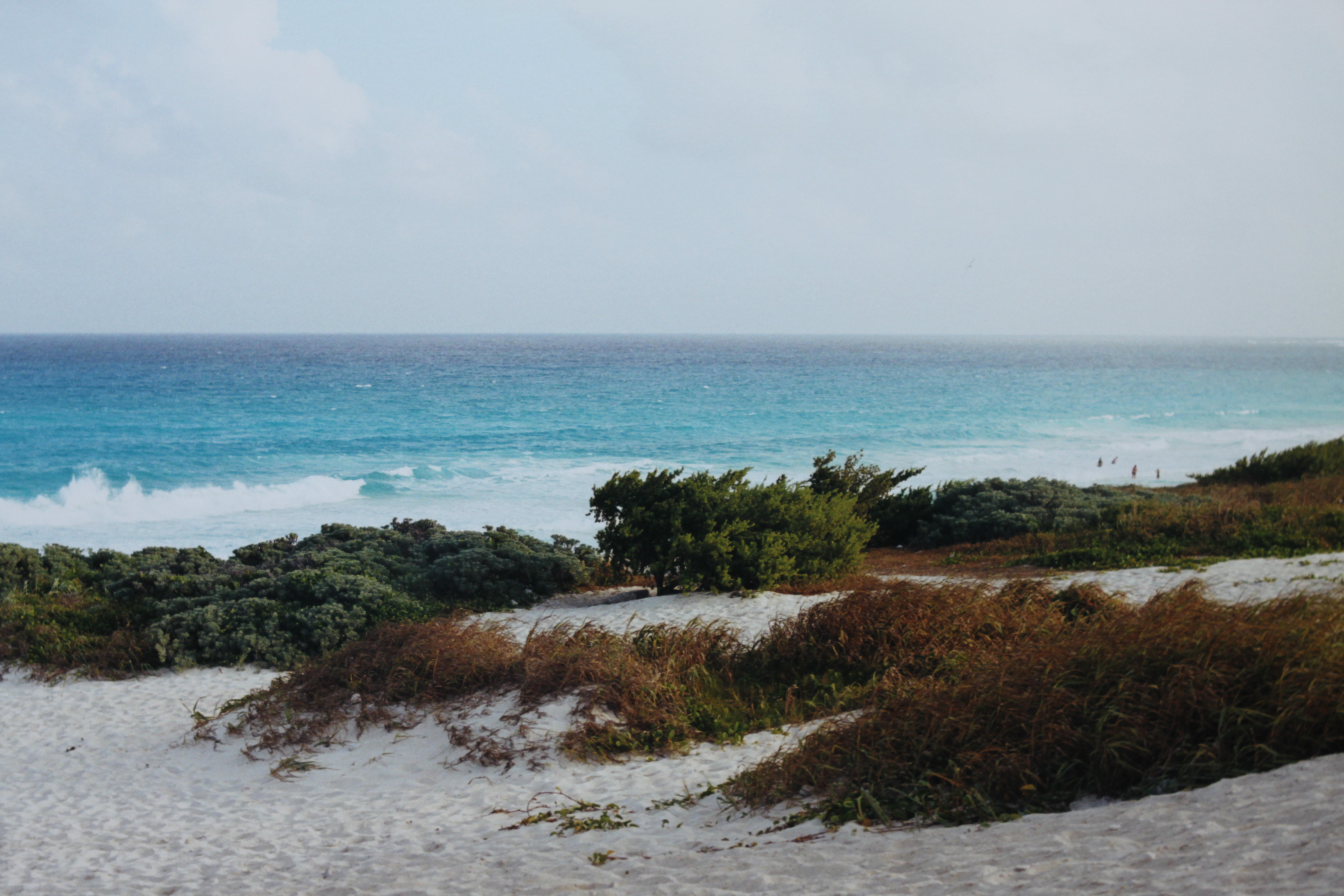
Playa Delfines stretches nearly 30 kilometers along the coast with white sand and clear blue water. The beach is calm and ideal for swimmers and sunbathers. It has a tropical climate year-round, making it accessible in any season. Free parasols are scattered along the shore…
Quick Overview
Plan Your Visit to Delfines
The key facts before you go
About the Beach
What is Delfines?
Playa Delfines stretches nearly 30 kilometers along Mexico's Caribbean coast, offering white sand and clear water in a tropical setting. Located just 10.5 km from Cancun International Airport, it's one of the region's most accessible beaches. The beach carries Blue Flag status since 2013, indicating maintained safety and environmental standards. Free palapas provide shade throughout the day, and lifeguards are on duty. The long shoreline means you can find quieter spots even during busy periods. Water temperatures stay warm year-round, ranging from 20.5°C in January to 25.2°C in summer months.
It is part of a wider group of certified beaches throughout Mexico that meet FEE's annual standards for water quality, safety, and environmental management.
Visitor Feedback
What Visitors Say About Delfines
What visitors appreciate
- showers|seaweed|public beach|strong waves|clean beach|free palapas|viewpoint|color of the sea|white sand|sea view
- Well-staffed with lifeguards during season
Points to consider
- Can be busy during July and August peak season
- Facilities may be reduced outside peak months
Based on aggregated public visitor feedback. Themes are synthesised from multiple sources — not individual quotes. Zeach does not reproduce individual reviews.
Sunrise, Sunset & Beach Direction
Delfines faces S toward Pacific Ocean. The best light for photography and swimming is typically in April, May, June. The beach's orientation determines when it catches direct sun — plan your visit around this to make the most of your time there.
Planning
When to Go — Month by Month
| Month | Air Temp | Water Temp | Crowds |
|---|---|---|---|
| Jan | 24°C | 21°C | High |
| Feb | 25°C | 22°C | High |
| Mar | 25°C | 22°C | High |
| Apr | 26°C | 23°C | Med |
| May | 27°C | 24°C | Med |
| Jun | 28°C | 25°C | Med |
| Jul | 28°C | 25°C | Med |
| Aug | 28°C | 25°C | Med |
| Sep | 28°C | 25°C | Med |
| Oct | 27°C | 24°C | High |
| Nov | 25°C | 22°C | High |
| Dec | 25°C | 22°C | High |
The best time to visit Delfines is April, May, June. Air temperatures peak around 28.2°C in summer. Peak water temperature reaches 25.2°C in July.
How crowded does Delfines get?What should you expect in terms of crowds at Playa Delfines? The beach's 30-kilometer length distributes visitors significantly, so finding less-crowded sections is realistic rather than guaranteed. Peak seasons are winter months (December–February) when North American visitors arrive and air temperatures reach their lowest comfortable levels around 23.5°C. Summer (July–August) sees local and regional tourism, with air temperatures at 28.2°C.
The proximity to Cancun—just 10.5 km away—means the beach absorbs overflow from the city's hotel zones. The free palapas and public access attract both day-trippers and longer-stay visitors. Weekends are busier than weekdays.
Reviews consistently mention "public beach" and note both crowds and the ability to find space. The viewpoint area and shaded zones suggest designated gathering points, which naturally concentrate people. However, the beach's substantial length means you can walk away from congested spots. Seaweed and strong wave conditions mentioned in reviews affect usability on certain days, which can actually reduce crowds during less-favorable conditions.
Is Delfines open year-round?The beach itself is accessible year-round, though staffed facilities including lifeguards typically operate only during the official season (01-07 – 30-06). The Blue Flag is displayed during the certification period only.
The Water
Swimming and Beach Life at Delfines
Is Delfines safe to swim?Delfines is Blue Flag certified, which requires meeting strict bathing water standards set by the EU Bathing Water Directive. Lifeguards are on duty during the official season.
What is the water temperature at Delfines?Peak water temperature at Delfines reaches around <span class="inline-stat">25.2°C</span> in July, making it comfortable for swimming during the summer months. In winter (January), air temperatures average 23.5°C.
What is the beach like at Delfines?Playa Delfines runs for nearly 30 kilometers, making it one of the larger developed beaches in the Cancun area. The sand is consistently white and the water clarity is good, though conditions vary depending on where you position yourself along the length. What makes this beach practical rather than exceptional? The facilities are well-distributed across the beach—free palapas are available as soon as you arrive, offering shade without the need for rental costs. This is genuine infrastructure, not marketing language.
The beach faces south, which affects wave patterns and sun exposure throughout the day. Reviews mention strong waves and seaweed at times, which is typical for Caribbean beaches and varies seasonally. The public beach designation means unrestricted access, though some sections near resorts have different uses.
Water temperatures are warmest from June through September (24.5–25.2°C), making these months most comfortable for extended swimming. Even in winter months (January–February), temperatures reach 20.5–21.6°C, which is swimmable without a wetsuit for most people. The swimming season officially runs February through December, though January is borderline.
The beach includes a viewpoint area, suggesting elevated sections with views over the water. Showers are available for rinsing off salt water and sand. The combination of free shade, lifeguard presence, and maintained Blue Flag status makes this a functional choice rather than a secluded escape. Crowds vary by season and time of day, but the 30-kilometer length means dispersal is possible.
Does Delfines have good facilities?As a Blue Flag certified beach, Delfines meets the Foundation for Environmental Education's standards for facilities and services. Trained lifeguards are on duty during the season. Toilet facilities are on site. Parking is available nearby.
While You're Here
Beyond Delfines
Cancun city center is approximately 10–12 kilometers from Playa Delfines, containing restaurants, shops, and services beyond what the beach itself offers. The broader Cancun Hotel Zone includes water sports operators, dive shops, and boat tours if you want activities beyond swimming and relaxation. Downtown Cancun has markets, museums, and local restaurants with authentic regional food. The proximity to the airport (10.5 km) makes day trips to other Caribbean attractions feasible if you're staying in the area. The beach's own facilities—showers, free palapas, viewpoint areas—cover basic needs without requiring trips away from the coast.
Transport
Getting to Delfines
How do I get to Delfines by car?Delfines is located in Mexico. Follow local road signs to the beach. Check Google Maps or a local map for the most current directions.
What is the nearest airport to Delfines?The nearest airport is Cancun International Airport (CUN) (CUN), approximately 10.5 km away. Cancun International Airport (CUN) is 10.5 kilometers from Playa Delfines, making it the most direct arrival point. Journey time from the airport is approximately 20–30 minutes depending on traffic and your final destination along the beach. Rental cars are available at the airport, offering flexibility to access different sections of the 30-kilometer beach. Shared shuttle services operate from the airport to nearby hotels and beaches. Taxis and ride-sharing apps are available but cost more than shuttle options. The short distance means air travel to Cancun is practical for weekend visits or longer stays.
Can I get to Delfines by public transport?Bus services operate in the Cancun area and connect to Playa Delfines through local routes. However, specific bus route details, schedules, and fare information for Delfines are not available in current data. Regional buses serve the broader Cancun zone, but checking current local transport websites or hotel information is necessary for accurate routing and timing to reach this specific beach.
Practical Details
Practical Information
| At the Beach | |
| Entry | Free — no charge to access the beach |
|---|---|
| Lifeguards | ✓ On duty during official season |
| Disabled Access | Contact local authority for details |
| Showers | ✗ |
| Toilets | ✓ Available during season |
| Official Season | 01-07 – 30-06 |
| Beach Type | Sandy beach |
| Sand | White / ivory sand |
| Visiting Information | |
| GPS Coordinates | 21.0600°N, 86.7788°W |
| Blue Flag Operator | Foundation for Environmental Education (FEE) — Mexico |
Frequently Asked Questions
Delfines FAQ
Is Playa Delfines worth visiting?
Yes, if you value accessible infrastructure and a long stretch of beach. The Blue Flag status, lifeguard presence, free palapas, and white sand are practical advantages. The 30-kilometer length means space is available even during peak seasons. Water temperatures suit swimming February through December. The beach isn't uniquely scenic compared to Caribbean alternatives, but it delivers reliable facilities, clear water, and proximity to Cancun airport without requiring special effort.
How do I get to Playa Delfines?
Cancun International Airport is 10.5 kilometers away, reachable in 20–30 minutes by car, shuttle, or taxi. Rental cars provide flexibility to explore different sections of the beach. Shared shuttles are cheaper than taxis. Once at the beach, the public access and free palapas mean no resort booking is necessary. Local buses serve the Cancun area, though specific routes to Delfines require checking current schedules.
What is the best time of year to visit?
February through April offers warm air temperatures (23–24°C) and water temperatures (21–23°C) without peak winter crowding. June through September has warmest water (24–25°C) but higher humidity and local tourist traffic. January sees lower air temperatures (23.5°C) but is swimmable. December–February is busy with North American visitors. Choose based on your preference for warmth versus crowds. The swimming season runs officially February–December, though January is borderline.
What facilities are there at Playa Delfines?
Free palapas for shade are available throughout the beach. Lifeguards are on duty. Showers are provided for rinsing off. A viewpoint area offers elevated views. The beach is public with unrestricted access. These facilities mean you don't need to book resort amenities to spend the day comfortably. Additional services—food, drinks, water sports—are typically available through vendors or nearby establishments, though specific current vendors aren't listed in available data.
Is Playa Delfines suitable for families?
Yes, with practical conditions noted. Lifeguards are present, and free palapas provide shade, reducing sunburn risk for children. The 30-kilometer length allows families to find less-crowded sections. Water temperatures stay warm most of the year. Strong waves mentioned in reviews mean some days are better than others for young swimmers—check conditions before swimming. Public beach status means no resort restrictions. Dog-friendly status is unknown, so confirm local rules if you're traveling with pets.
Explore More
More Blue Flag Beaches in Mexico
Editorial
From the Zeach Blog
Everything you need to know about what makes a beach qualify for Blue Flag status — from water quality to environmental education.
Read moreOur editorial team's pick of the standout Blue Flag beaches in Mexico — rated for family friendliness, scenery, and facilities.
Explore MexicoWhat the flag actually means, how certification works, and why a Blue Flag is a genuinely reliable signal — not just a marketing tool.
Read more